


COMPASSION, CURIOSITY & A LITTLE COUNTERCULTURE.
Person-centered, liberation-minded therapy.

We’ll start with curiosity, not assumptions.
Maybe you’ve been to therapy before, but something felt missing. You understood your patterns, yet still felt stuck. Maybe the strategies didn’t quite fit your brain, your body, or your life. You’re looking for a space where you can be complicated, curious, skeptical, spiritual, funny, exhausted, or some combination of all of the above.
My approach starts with connection. We’ll get curious about your experiences, honor the ways you’ve learned to survive, and explore what feels useful to you now. As a social worker, I also pay attention to the bigger picture: the relationships, cultures, systems, and expectations shaping your life. There’s room here to question the rules you’ve inherited and decide which ones deserve a place in your future.
In sessions with me, we might explore a thought that keeps you stuck, practice a skill for an overwhelming moment, or pause to notice what’s happening in your body. We can make room for meaning, ritual, and a little woo if that speaks to you, alongside practical tools and evidence-informed approaches. Expect compassion, collaboration, and some irreverent humor and swearing to boot. Your lived experience, your wisdom, and what matters to you will guide our work together.
Practical tools, a little woo, and room to question the status quo.
-
I draw from research-supported approaches, including Acceptance and Commitment Therapy (ACT), CBT-informed tools, DBT skills, and self-compassion practices. These can help us explore patterns, navigate difficult emotions, and move toward what matters to you. We’ll adapt the tools to your brain, your needs, and your life.Description text goes here
-
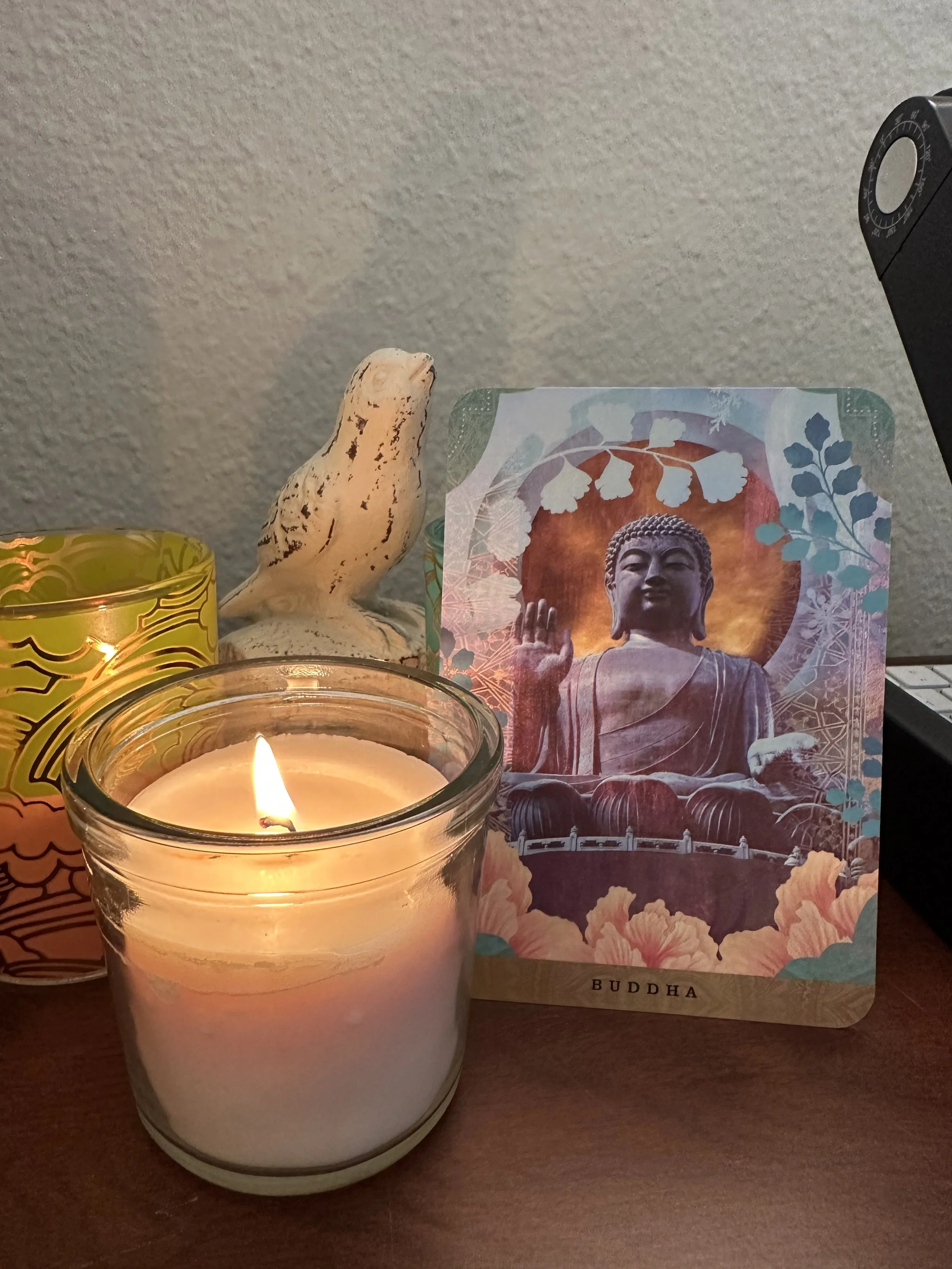
If it speaks to you, there’s room for intuition, ritual, symbolism, and the meaning you find in the moon, the seasons, or a tarot card. We might also explore mindfulness, breath, and body awareness. You get to decide what belongs in our work.
-
Your experiences exist within a larger context. We’ll make space to explore how power, oppression, ableism, and cultural expectations affect your well-being. That might mean questioning an inherited “should,” honoring your neurodivergence, or finding boundaries and ways of being that feel more like your own.
Ultimately, what matters most is this:
Connection is medicine.
You don’t have to do this alone.
We can hold it all together while you find your footing.
Is working with Heather Liv right for you?

Our work may be a good fit if you……
Want a therapist who brings warmth, curiosity, a sense of humor, a well timed swear word (or two), and welcomes your full, complicated humanity.
Are tired of trying to fit expectations that weren’t built with your brain, body, or lived experience in mind.
Understand your patterns but need support turning that insight into meaningful change.
Want to explore how relationships, systems, and inherited “shoulds” shape the way you feel about yourself.
Appreciate practical tools, welcome a little soul-searching, and want a say in how therapy unfolds.

What we’ll work on
Discovering what is possible when we loosen the “shoulds”.
We’ll get curious about the beliefs and patterns that helped you get through and whether they still serve you. Our work might include responding to yourself with more compassion, finding ways to navigate overwhelm that fit your nervous system, or setting boundaries without abandoning your need for connection.
We’ll also question the expectations you’ve been carrying: whose rules are they, what do they cost you, and what would you choose for yourself? Your values will help guide us as we explore new ways of responding, relating, and living. You’ll have my support in the messy practice of doing things differently.

Here, your story is heard, and your experience matters.
Questions?
FAQs
-
It means respecting different ways of thinking, communicating, sensing, and moving through the world. I’ll take the time to get to know how your brain works and adapt therapy to you, including your sensory needs, energy, and processing style. We may explore masking, burnout, or the pressure to meet expectations that don’t fit. You don’t need a formal diagnosis to have your experience taken seriously.
-
You don’t have to be! We can keep our work practical while exploring how to listen to your intuition, your sense of what feels right, what you need, or when something is off. Sometimes that means quieting the noise enough to notice your breath and hear yourself more clearly. We’ll find practices that feel comfortable and useful to you.
-
I bring my own identities, experiences, and blind spots into therapy. Checking my biases is an ongoing practice that includes supervision, my own therapy, continued learning, and reflection on power and privilege. I’ll ask rather than assume and respect you as the expert on your lived experience. If I miss something or get it wrong, I welcome your feedback, and it’s my responsibility to listen, take accountability, and adjust.